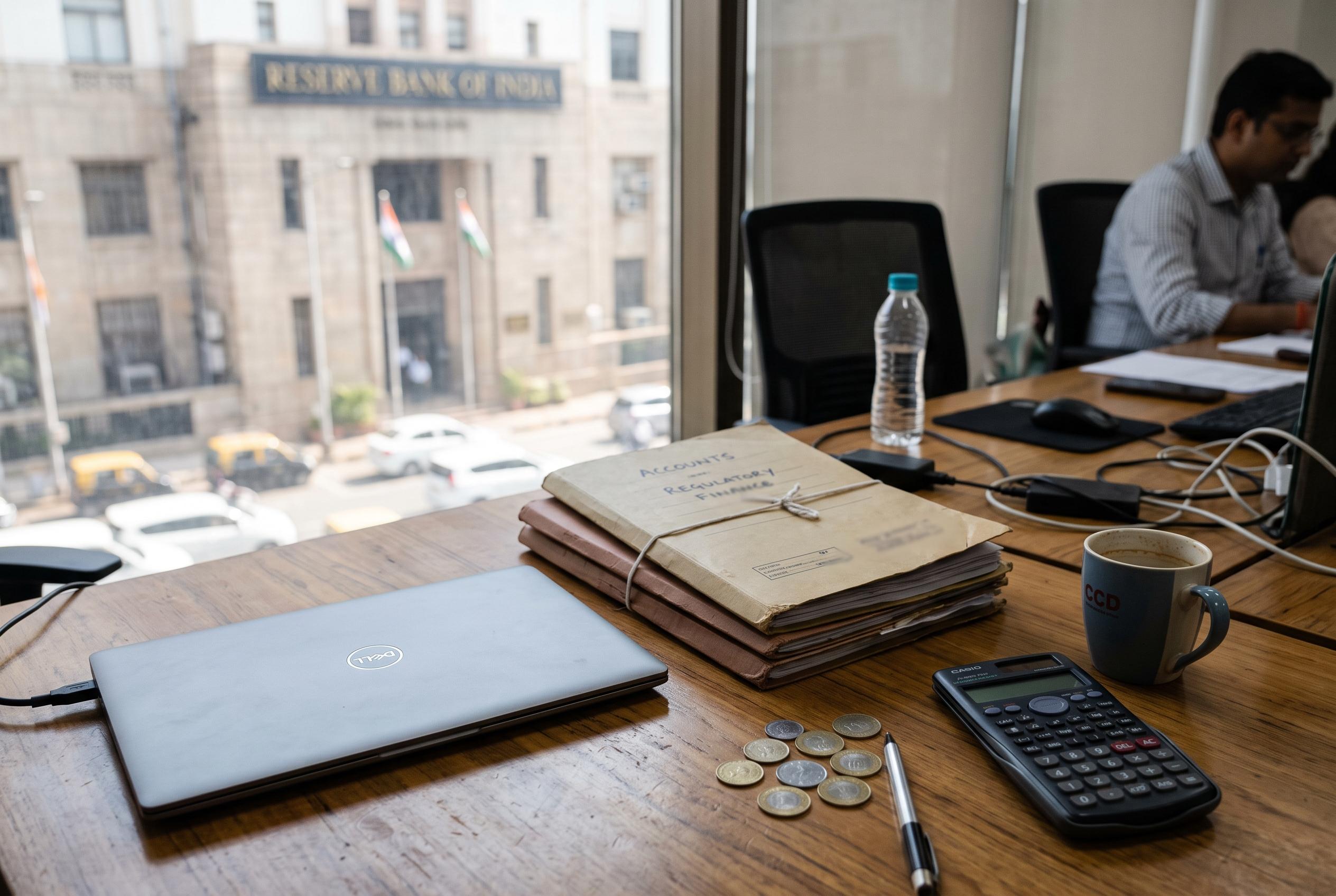

India’s central bank has revived a scheme to attract non-resident Indian dollar deposits, potentially bringing in up to $100 billion, with banks offering higher yields and the rupee remaining relatively stable amidst global tensions.
India’s central bank is expected to draw roughly $90 billion through a special foreign-currency deposit window aimed at non-resident Indians, according to market estimates, although part of that money may simply be switching from existing schemes rather than entirely new inflows. The Reserve Bank of India’s move has been considerably stronger than many expected, with Kotak Securities’ Anindya Banerjee saying the response could end up closer to the $100 billion mark than the original assumptions suggested.
The mechanism revives the FCNR(B) swap window, which the RBI last used during the 2013 rupee crisis. Under the scheme, banks can raise fresh foreign currency deposits and swap those funds with the central bank, reducing their hedging costs and allowing them to offer far more competitive rates. LiveMint reported that the facility, launched on June 8, 2026, was designed to encourage longer-dated dollar inflows and support the rupee, while also building foreign exchange reserves.
That has already translated into higher returns for depositors. Business Standard reported that some banks are now offering as much as 7.1% on five-year dollar deposits, with other lenders also lifting rates sharply. Kotak Securities’ Banerjee said some offers are around 7%, helped by the RBI’s concessions, which allow banks to pass on higher yields without taking on the same exchange-rate risk.
Even so, the impact on the rupee has so far been modest. The extra dollars mainly strengthen the RBI’s reserve buffer and give it more room to smooth volatility, rather than pushing the currency sharply higher. Banerjee said the central bank may prefer stability over appreciation, especially while global trade tensions remain elevated and a stronger rupee could hurt exporters. He added that any future cost will come later, through interest payments over the next three to five years, but that the present global currency cycle may not last that long.
Disclaimer: This article is intended to inform and educate, not to recommend or endorse any financial product, investment or strategy. Please consider your own financial circumstances and seek professional advice where appropriate before making financial decisions.