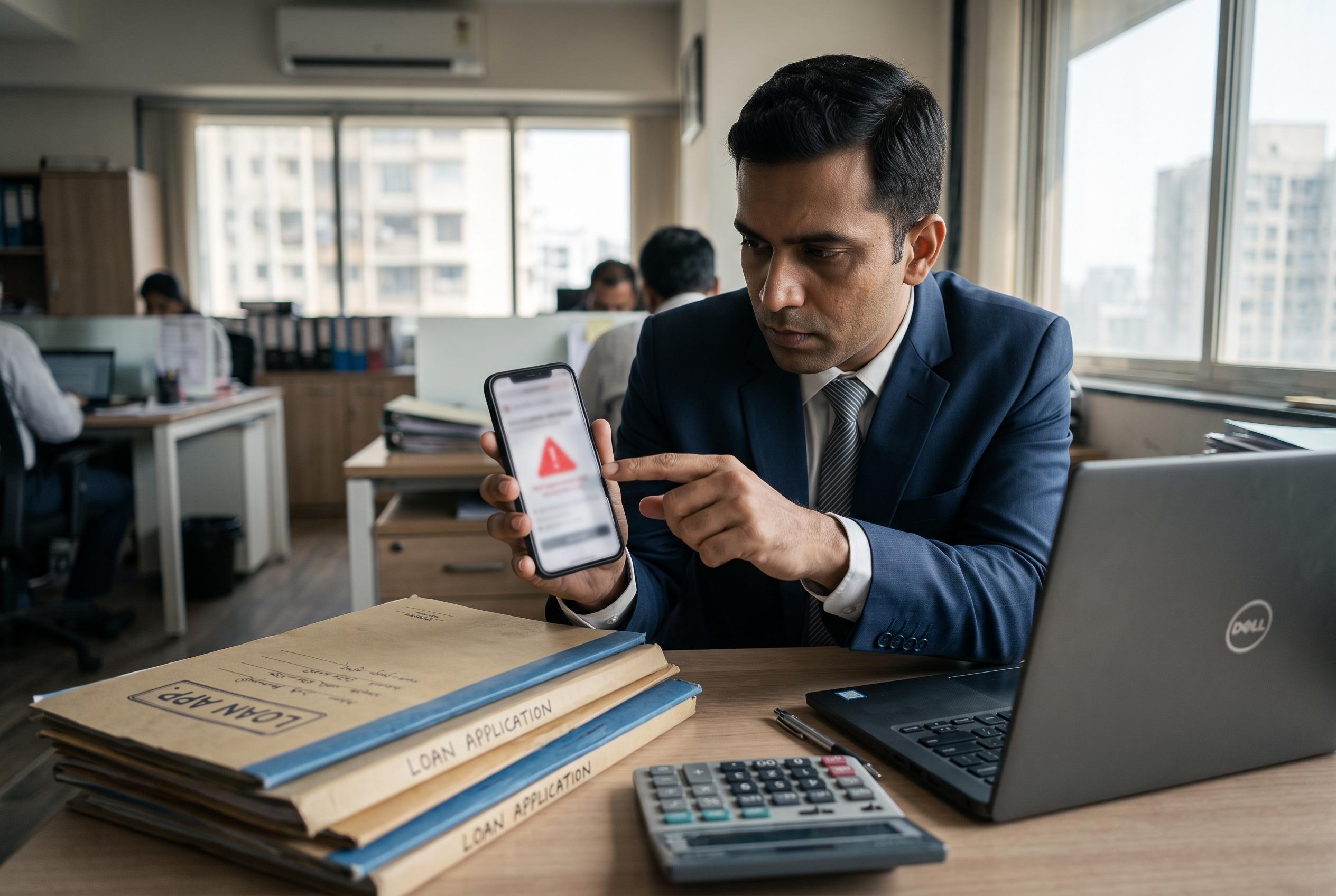

With the proliferation of fake loan apps in India, authorities are intensifying efforts to combat data theft, extortion, and fraud, warning borrowers to exercise caution in digital lending practices.
When money is tight, an app promising instant approval can look like an easy way out. But cybercrime agencies and consumer groups say that in the world of digital lending, urgency is often the scammer’s best ally.
The Indian Cybercrime Coordination Centre has warned that fake loan apps are increasingly being used to harvest personal data, gain device permissions and pressure borrowers into paying again and again. In several cases across India, victims who thought they were taking a short-term loan found themselves facing harassment, blackmail and, in some instances, morphed photographs sent to relatives and friends.
The pattern is often similar. A borrower sees a social media advert, downloads an app and shares Aadhaar or PAN details, a selfie, bank information and contacts. The loan, if it arrives at all, can be smaller than promised and carry steep charges. In some cases, borrowers have repaid more than they borrowed, only to find the demands continuing anyway.
Moneylife Foundation says this is how many people fall into a debt spiral: a first emergency loan is followed by another app loan to cover the first, then another to bridge the next repayment deadline. The trap is not limited to low-income households. Even salaried professionals, according to the foundation, can end up turning to app-based credit after exhausting personal loans and credit cards.
There is also a crucial distinction borrowers often miss. The app on the phone is not always the lender. In many cases it acts only as a lending service provider for a bank or non-banking finance company regulated by the Reserve Bank of India. That is why a name or logo on an app screen is not enough; the underlying lender must be checked separately.
To help with that verification, the RBI launched a public directory of digital lending apps on 1 July 2025. Separately, the government said in July 2026 that the ministry of electronics and information technology had blocked 87 illegal loan-lending apps under Section 69A of the Information Technology Act. Those moves show the scale of the problem, but they do not protect someone who has already tapped “download”.
The warning signs are fairly consistent. Apps that ask for broad access to contacts, photographs, call logs or unrelated files should raise immediate concern. So should any demand for an upfront processing fee, insurance charge or deposit before a loan is released. Promises of guaranteed approval, “no documents” or money within minutes are also classic red flags, according to consumer-safety guidance from several Indian finance and cybercrime advisories.
Borrowers are being urged to slow down before sharing anything. If the need is genuine, they should approach a known bank or a clearly identified regulated lender rather than an unknown app pushed through an advert, message or download link. APK files sent on WhatsApp, Telegram or SMS should be treated with particular suspicion. A legitimate lender will not ask for an OTP, UPI PIN, card PIN or internet banking password.
If a suspicious app is already installed, experts advise revoking permissions immediately and preserving evidence before deleting it, including screenshots, messages, payment demands and phone numbers. Victims are also told not to be intimidated by threats to circulate edited photographs. The point of that abuse is to force more payment, not to resolve the debt.
The scale of the racket appears to be substantial. The Enforcement Directorate froze ₹123.58 crore in February 2025 in a case linked to a ₹719-crore fake loan-app network, while police in Maharashtra later uncovered what they described as a wider operation involving multiple fraudulent apps and thousands of complaints. The common thread in those investigations was not lending but extortion, data theft and pressure.
For anyone already targeted, the advice is to move fast: call the national cybercrime helpline on 1930, file a complaint through the National Cybercrime Reporting Portal and alert the bank or payment provider if account details have been compromised. The central message is simple. A financial emergency can make a dangerous app look harmless, but in this market, desperation is exactly what the criminals are trying to buy.
Disclaimer: This article is intended to inform and educate, not to recommend or endorse any financial product, investment or strategy. Please consider your own financial circumstances and seek professional advice where appropriate before making financial decisions.