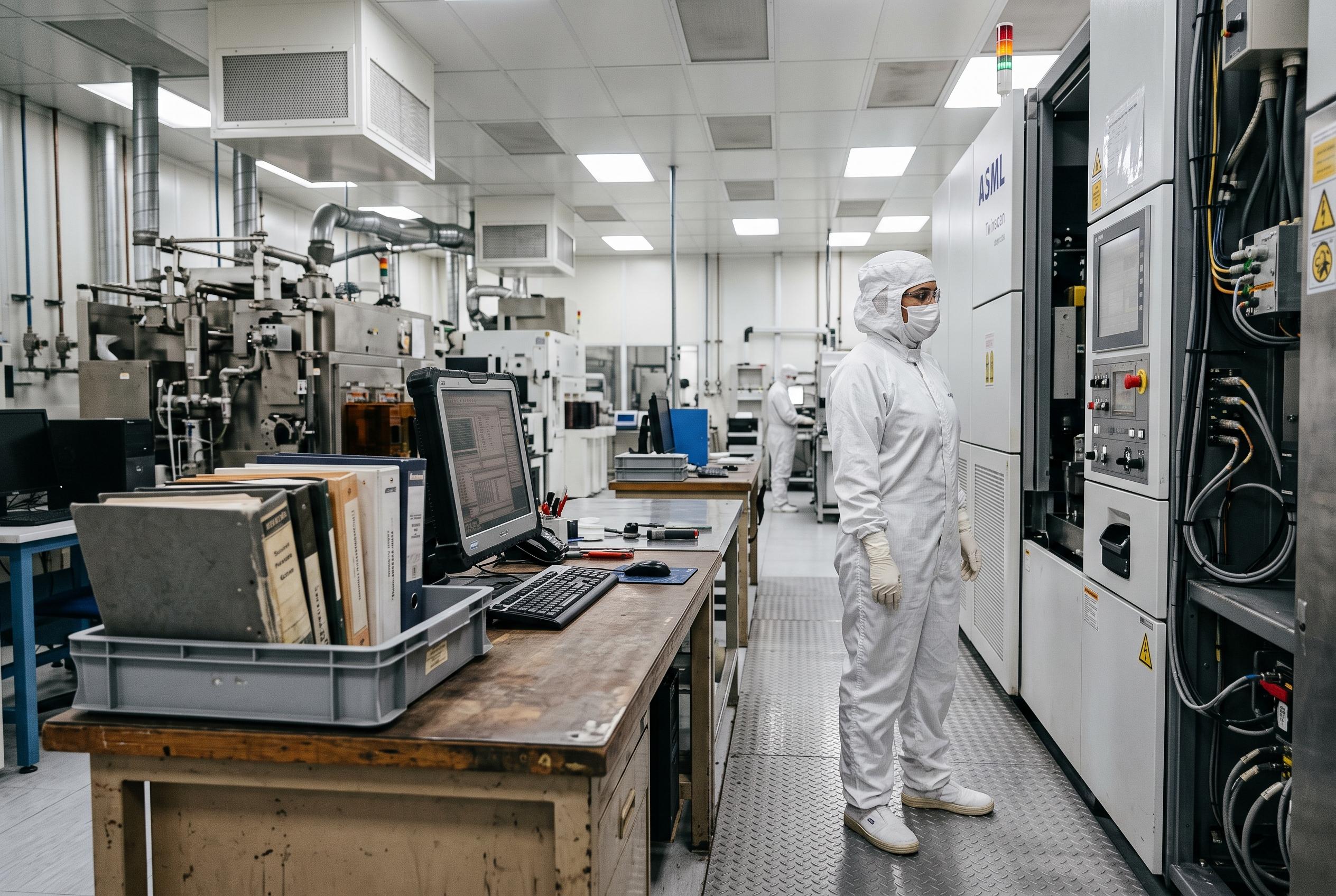

The Indian government plans a ₹4,500 crore upgrade of its sole semiconductor fabrication plant in Mohali. While the investment promises improvements, experts say it will maintain existing capabilities rather than establish a competitive advanced chip manufacturing facility, reflecting a cautious approach to India’s semiconductor ambitions.
India’s only semiconductor fabrication plant is in line for a ₹4,500 crore overhaul, but the scale of the plan appears more measured than the government’s ambitions suggest. According to reporting by The Ken, the modernisation of the Semi-Conductor Laboratory in Mohali is expected to improve the facility in practical ways rather than transform it into a cutting-edge rival to the world’s most advanced chip makers.
Ashwini Vaishnaw, the electronics and information technology minister, has spoken of a far more dramatic outcome, including a 100-fold increase in output, new technology and a wider design-and-talent ecosystem. Other reports, including The Tribune, the Indian Express and The Times of India, say the investment will be spread over three years and is intended to upgrade production lines, add new equipment and expand the site, with the Centre asking the Punjab government for 25 acres of adjacent land to support future growth.
The reality, however, is that SCL remains a mature-node operation, producing chips at 180 nanometres. That is far behind the 3nm and 5nm chips made by leaders such as Taiwan Semiconductor Manufacturing Co, but it still matters for less complex industrial, strategic and power-management uses. The Ken said the laboratory already serves space and defence programmes, including the Indian Space Research Organisation and the Defence Research and Development Organisation, while also supporting startups, academic institutions and student training.
The upgrade also reflects the government’s broader push to deepen India’s semiconductor capability and reduce reliance on imports. Livemint reported that Tata Semiconductor Manufacturing, Cyient Semiconductors and an Applied Materials unit in Singapore have won separate parts of the project, while Cyient has said its role includes design enablement and technology IP support. Even so, the emerging picture is of an incremental rebuild of a long-serving public facility, not a wholesale reinvention of India’s chip manufacturing base.
Disclaimer: This article is intended to inform and educate, not to recommend or endorse any financial product, investment or strategy. Please consider your own financial circumstances and seek professional advice where appropriate before making financial decisions.