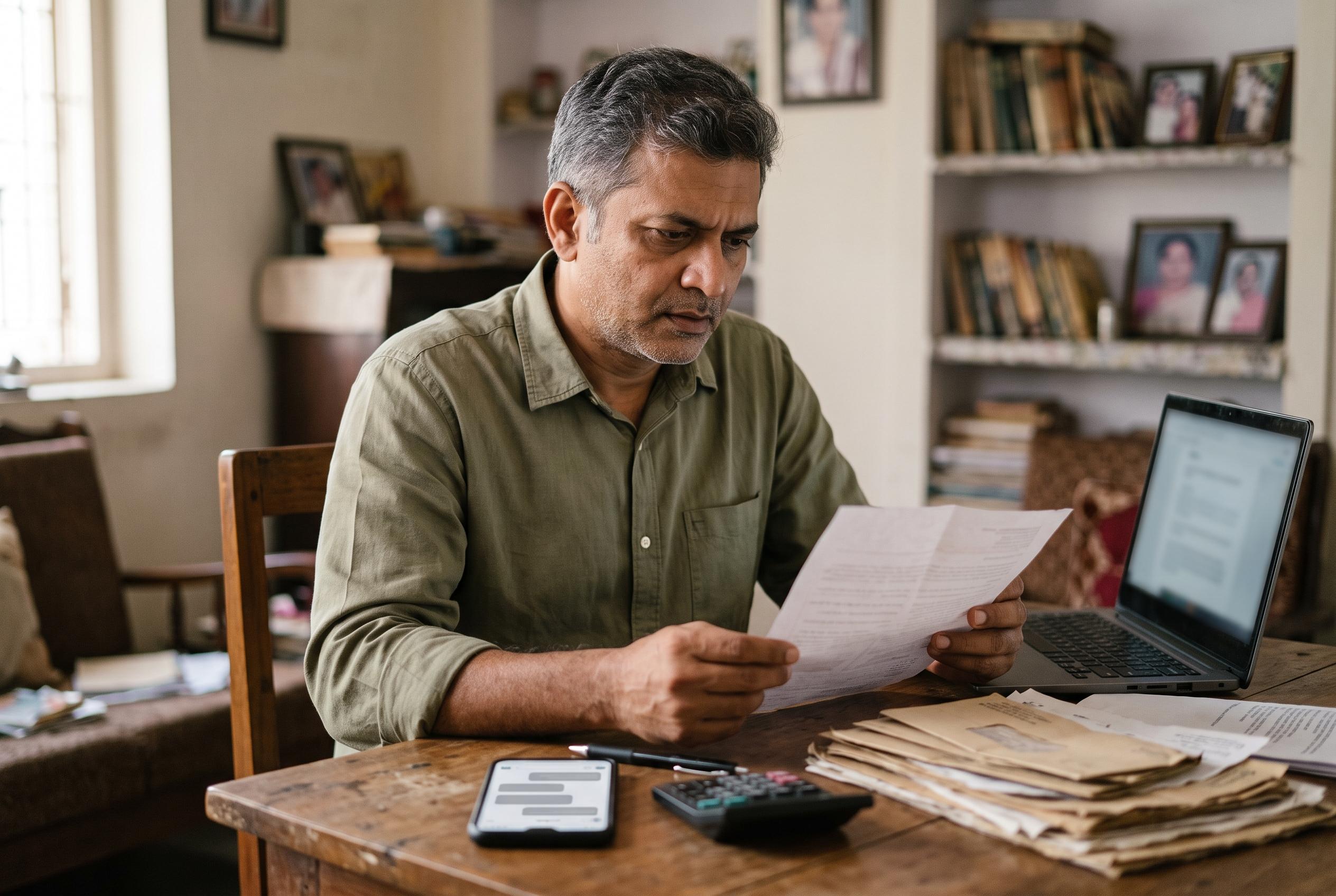

Voters in Telangana are being targeted by scammers posing as Election Commission officials, using fake messages to harvest sensitive data amid ongoing electoral roll updates. Authorities warn citizens to verify notices through official channels and avoid falling for fraud schemes.
The Telangana Cyber Security Bureau has warned voters about a fresh fraud campaign in which scammers are pretending to be Election Commission officials and using fake Special Intensive Revision messages to extract bank details and other sensitive information. The bureau said the fraudulent texts and WhatsApp messages tell recipients their voter information is wrong or that their SIR application has been rejected, then push them towards malicious links or chat groups set up to harvest personal data.
According to the bureau, the scam often starts with a small payment request, sometimes as little as Rs 5, presented as a verification charge for updating electoral details. Once that trust is gained, the fraudsters try to collect internet banking logins, debit and credit card details, PINs, passwords and one-time passwords. Telangana police and local officials have separately warned that genuine Booth Level Officers and Election Commission staff do not ask voters to disclose such information over the phone.
The advisory comes as the Special Intensive Revision of electoral rolls is under way in Telangana, where the Election Commission has already been carrying out door-to-door verification and digital mapping of voter records. The Week reported in June that the first such exercise in the state since 2002 had flagged 88,13,207 records for verification, underscoring the scale of the operation and the potential for criminals to exploit public confusion around voter updates.
Authorities have urged people to ignore unsolicited requests for payment, avoid clicking links in suspicious messages and verify any election-related notice only through official channels. Hyderabad police have also told residents to disconnect dubious calls and report suspected fraud to the National Cyber Crime Helpline on 1930 or to the nearest police station.
Disclaimer: This article is intended to inform and educate, not to recommend or endorse any financial product, investment or strategy. Please consider your own financial circumstances and seek professional advice where appropriate before making financial decisions.