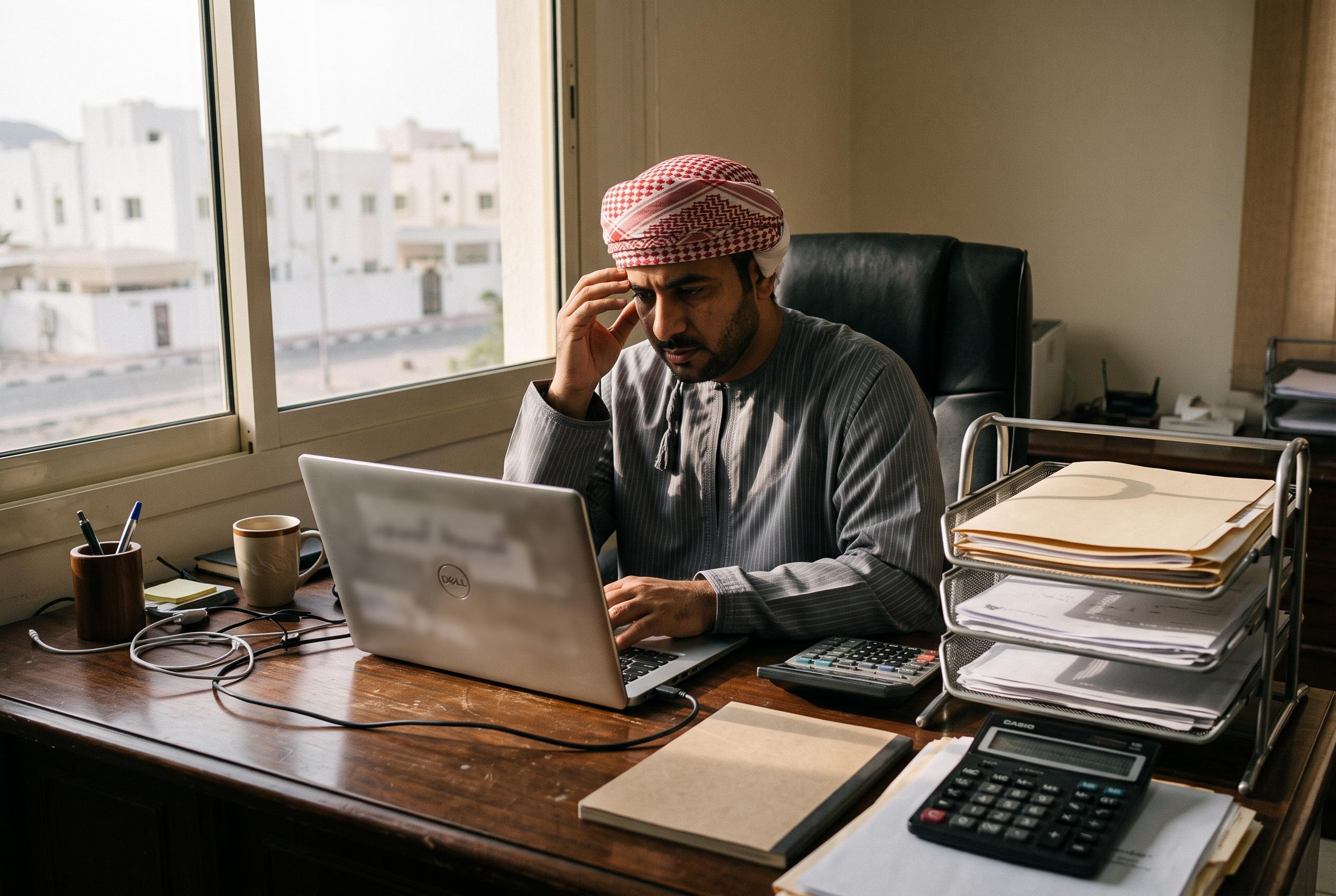

A recent incident in Oman underscores how simple acts like lending a SIM card can lead to severe legal, financial, and personal consequences, highlighting the importance of safeguarding digital identities.
A recent case in Oman has offered a sharp warning about something many mobile users treat casually: a SIM card registered in their name. What may seem like a small favour, allowing someone else to use a number, can create serious legal and personal consequences if that connection is later tied to suspicious activity.
In the incident described, a mobile number linked to one person’s identity became involved in a matter that required a legal investigation. Although the registered owner said he had no role in the alleged conduct, he still had to go through legal procedures and spend several days in custody. The episode underlines how a mobile number has become far more than a device for calls and messages. It can be tied to banking, digital payments, social media, messaging services and government accounts, which means misuse can quickly spill into a person’s wider digital identity.
Cybersecurity guidance published elsewhere shows how criminals can exploit phone numbers in more sophisticated ways, including SIM swapping, in which fraudsters take control of a victim’s number and use it to intercept verification codes and reset passwords. LegalClarity says such schemes are often built on social engineering and data stolen in breaches, while police in Singapore have warned that SIM card misuse can carry criminal penalties and broader financial fallout. In the United States, the Justice Department has also described cases ending in long prison terms, showing that SIM-related fraud is treated as a serious offence in several jurisdictions.
The practical lesson is simple: never lend a SIM card lightly, even to someone known and trusted. Users should check which numbers are registered under their name, cancel old or unused connections and follow the proper process when replacing a SIM. Personal identification details, one-time passwords, account passwords and verification codes should never be shared casually, and any unexpected request for financial or account information should be treated with caution. If misuse is suspected, the number should be secured immediately and the relevant service provider contacted without delay.
For families, the risks go beyond money or inconvenience. A number linked to unlawful activity can lead to questioning, detention, legal expense and emotional strain, even when the registered owner had no intention of doing anything wrong. The broader message is that a SIM card is part of personal identity. Keeping strict control over it may prevent a small lapse from becoming a legal, financial and emotional ordeal later.
Disclaimer: This article is intended to inform and educate, not to recommend or endorse any financial product, investment or strategy. Please consider your own financial circumstances and seek professional advice where appropriate before making financial decisions.