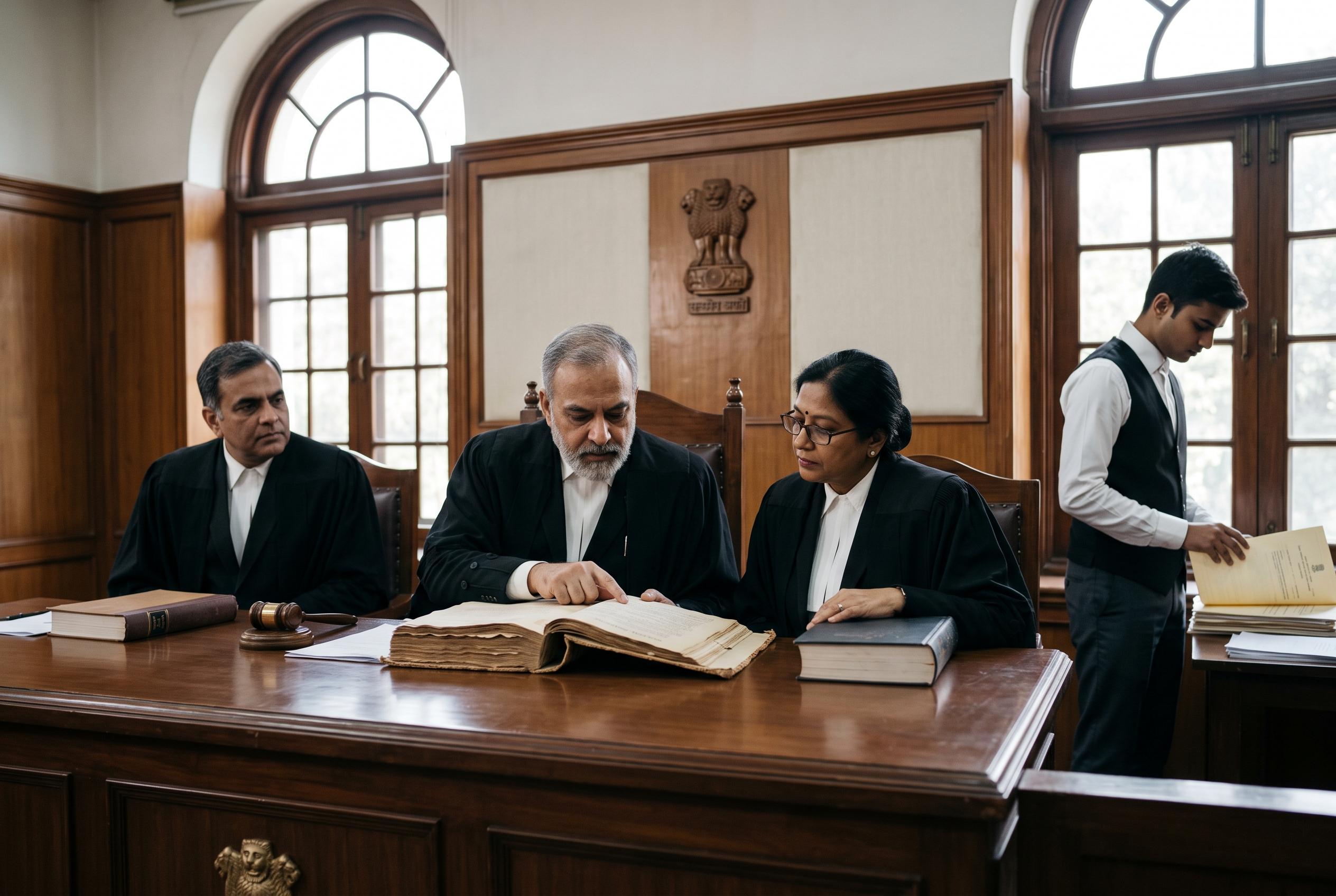

The Customs, Excise and Service Tax Appellate Tribunal in New Delhi has overturned a ₹60 crore Service Tax demand against Twenty Four Guarding Private Limited, emphasising the need for evidence-based assessments and cautioning against reliance on assumptions and incomplete data.
The Customs, Excise and Service Tax Appellate Tribunal in New Delhi has set aside a Service Tax demand of about ₹60 crore against Twenty Four Guarding Private Limited, saying tax officials cannot rely on guesswork when detailed records are available. In a ruling dated 20 August 2026, the tribunal said assessments made on a “best judgement” basis must still rest on a rational link to actual taxable activity, not on assumptions, growth projections or the highest figures from earlier years.
The dispute covered eight show-cause notices spanning financial years 2005-06 to June 2017 and included claims over security agency services, alleged non-registration of premises, contested SEZ and export exemptions, CENVAT credit and delayed or missing ST-3 returns. The adjudicating authority had confirmed roughly ₹60.01 crore in Service Tax and CENVAT liabilities, along with interest and penalties.
According to the tribunal, gross receipts shown in accounts cannot automatically be treated as taxable turnover. It said the true legal nature of each receipt has to be examined first, with exempt income, non-taxable sums and reimbursable खर्चes excluded where the law allows. The bench also stressed that CENVAT credit claims must be checked against the underlying records, rather than rejected on broad assumptions.
The ruling is part of a broader line of decisions in which CESTAT has warned against tax demands built mainly on third-party or indirect data. In another case reported by SCC Online, the tribunal said Service Tax could not be confirmed only on the basis of Income Tax Department data without corroborating evidence. Taxscan also reported a similar finding in an Allahabad case, where the tribunal said third-party data and financial statements alone were not enough to sustain a demand. LawNotify separately reported that provisional “kachcha” appointment registers could not, by themselves, prove taxable services or consideration received.
The New Delhi bench also dealt with limitation, saying non-filing or delayed filing of returns does not automatically prove suppression with intent to evade tax. Because the department had already audited the company for an earlier period and was aware of its business and accounts, the tribunal said the same facts could not be used again to justify the extended limitation period for later years. Relying on the principle in Nizam Sugar Factory, it held that the extended period could not be invoked for several of the notices.
For the remaining period, including financial year 2016-17, the tribunal sent the matter back for fresh examination of the actual records. It said there must be no double recovery for the same transaction and that exempt receipts, reimbursements and admissible CENVAT credit must be properly considered before any surviving demand is worked out.
Disclaimer: This article is intended to inform and educate, not to recommend or endorse any financial product, investment or strategy. Please consider your own financial circumstances and seek professional advice where appropriate before making financial decisions.