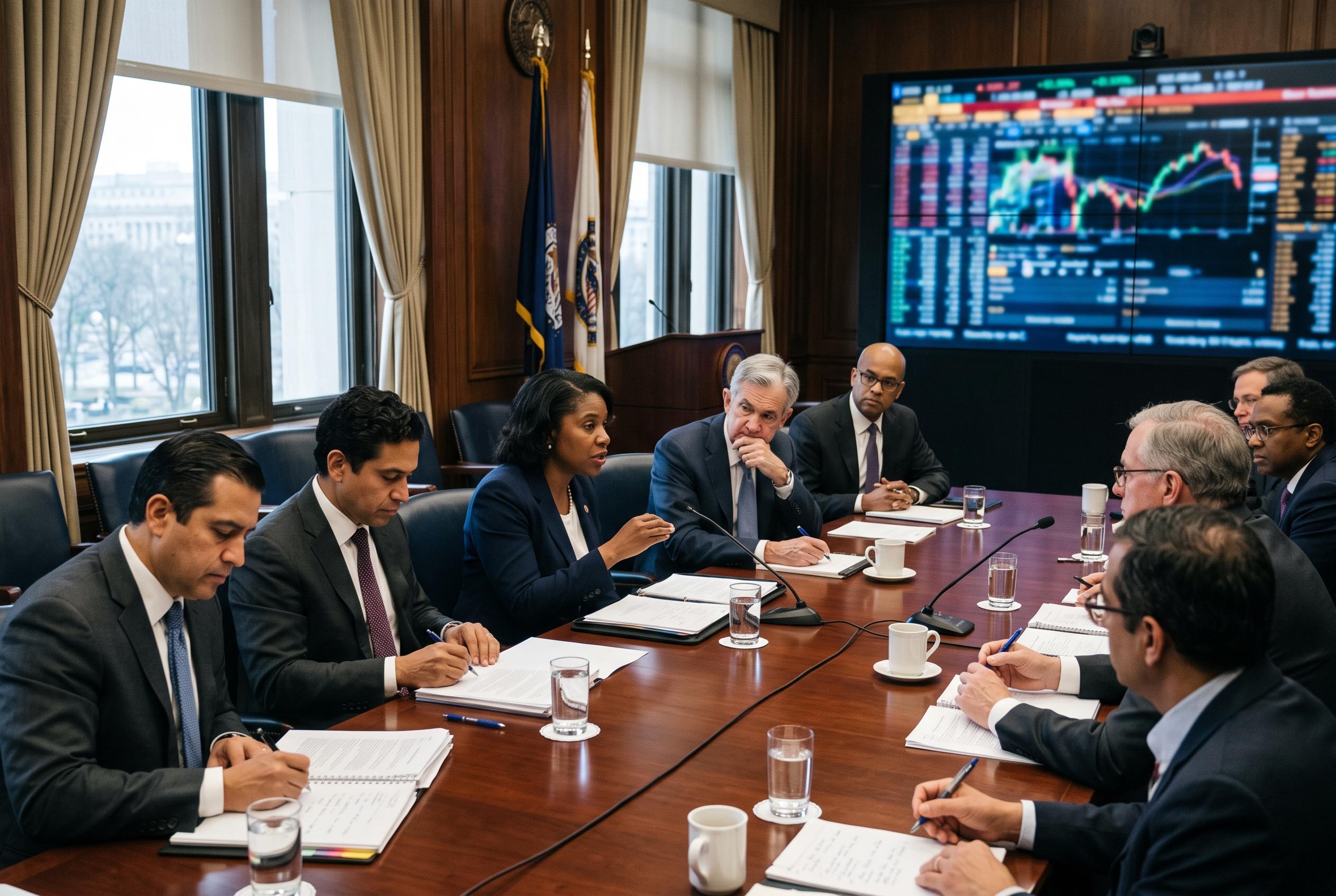

A robust US jobs report has complicated the Federal Reserve’s upcoming decision, as inflation fears grow amid geopolitical uncertainties and resilient economic data.
A surprisingly firm US jobs report has put the Federal Reserve’s September meeting back on a knife edge, undoing at least part of the relief rally that swept through bonds and equities after Governor Christopher Waller suggested a rate rise was not inevitable. AP reported that US employers added 162,000 jobs in August and that unemployment held at 4.1%, a combination likely to keep pressure on policymakers who are still trying to bring inflation back towards target. (apnews.com)
Waller had given investors reason to think the bar for an immediate move might be higher than markets feared earlier in the week. Speaking on Thursday, he said the August inflation figures due on 11 September would largely determine his vote. If price growth keeps cooling, he said he “would be inclined” to leave the benchmark rate unchanged; “But if inflation comes in hot, I would consider a rate hike.” AP said markets initially read that as a sign that a move later this month was far from settled, while Reuters reported that pricing for a mid-September increase dropped to roughly 50% from about 63.2% the previous session. (apnews.com)
That left Friday’s payrolls release as the next major test, and even there the pre-report consensus was mixed. Reuters’ survey pointed to an increase of 56,000 jobs, while AP said a FactSet poll had centred on 65,000. Before the numbers landed, Europe’s STOXX 600 was only marginally firmer and US futures were up about 0.1%, with traders also sifting late earnings from Broadcom, Snowflake and Hewlett Packard Enterprise. The contrast between muted positioning and the eventual strength of the employment figures underlines how abruptly expectations around the Fed have been shifting. (streetinsider.com)
The swing was visible well beyond Wall Street. Reuters said Waller’s remarks helped pull global bond yields off their recent highs, with investors taking some money out of the dollar and back into the yen. The Japanese currency jumped almost 2% against the US dollar on Thursday as traders increased their bets on a Bank of Japan rise, and another Reuters account said it was heading for its best weekly gain since late July, after the rare joint intervention by Tokyo and Washington to arrest its earlier slide. Japanese government bond yields also eased from historic peaks as the wider bond market recovered. (marketscreener.com)
The deeper argument inside markets is whether higher long-dated yields are a warning sign or simply a by-product of an economy still running too fast. New York Fed president John Williams said this week that rising long-term yields reflected economic strength rather than a simple inflation scare. Samy Chaar, chief economist at Lombard Odier, told Reuters that investors may be focusing too heavily on debt supply, fiscal risk and geopolitics, when stronger nominal growth could itself be keeping yields elevated. That matters for multi-asset investors because it suggests the bond sell-off is not just a story of stress, but also of economic resilience. (apnews.com)
Energy has made that judgement much harder. Oil stayed close to US$95 a barrel even after easing from recent highs, because the market is still trying to price the risk of a broader US-Iran conflict. AP reported that Iranian officials said a US strike on a home hosting a wedding in Kuhestak killed five people, including a child, and injured at least 68 others. US Central Command said the civilian casualty claims came from Iranian state media and insisted: “The U.S. military never targets civilians, unlike the IRGC.” The same AP report said the fighting had effectively closed the Strait of Hormuz, helping to push crude up about 7% that week, more than 50% this year, while US petrol prices rose to $4.10 a gallon. (apnews.com)
That geopolitical backdrop helps explain why central banks and investors alike are struggling to separate demand strength from supply shocks. Reuters reported that renewed gains in oil and gas prices were also lending support to expectations of another European Central Bank increase. In the US, Waller said borrowing costs were only “slightly restricting” demand from consumers and businesses and warned that it “may not take much acceleration in inflation” to push him towards backing another rise. In other words, a still-solid labour market and expensive energy together could yet outweigh the recent run of softer inflation readings. (apnews.com)
The immediate timetable is now clear. August CPI data arrive on 11 September, and the Fed’s next meeting concludes on 16 September. AP quoted portfolio manager Joseph Purtell saying the meeting was on a “knife edge”, and that assessment looks even more apt after the latest jobs figures. Thursday’s rally showed how eager investors are to believe the Fed may stand pat; Friday’s labour data showed why policymakers may still decide they cannot. (apnews.com)
Disclaimer: This article is intended to inform and educate, not to recommend or endorse any financial product, investment or strategy. Please consider your own financial circumstances and seek professional advice where appropriate before making financial decisions.