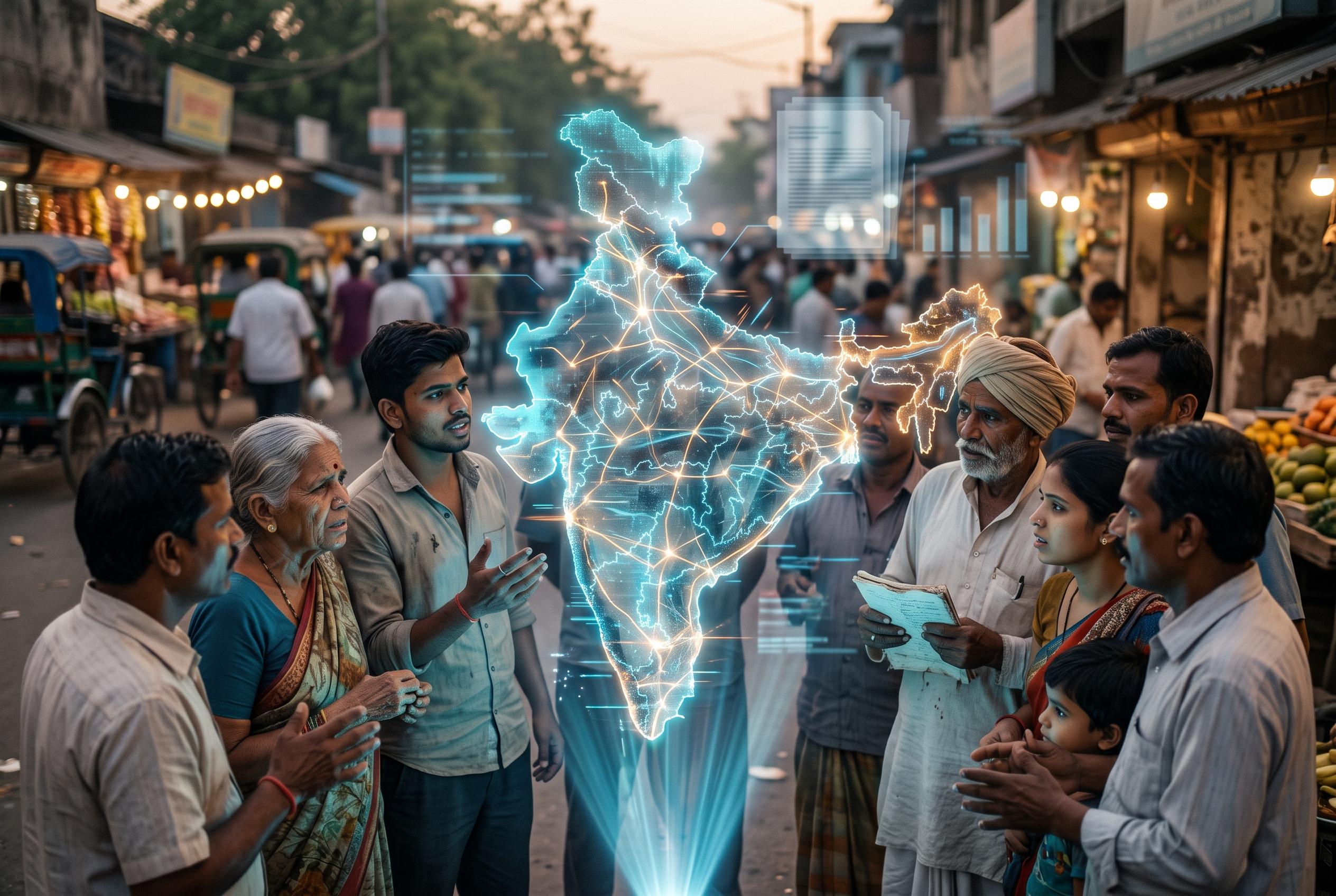

India’s discussions on introducing charges on its flagship digital payment system, UPI, highlight the challenge of sustaining a vital public infrastructure without undermining its core promise of free and easy access for consumers and small traders.
India’s latest debate over Unified Payments Interface has exposed a deeper question than whether users might pay a fee for everyday transfers: how to fund a payments system that has become national infrastructure without weakening the promise that made it popular.
The immediate concern followed Parliament’s move to create an enabling framework for charges on certain digital payment transactions, prompting fears that merchant discount rates, or MDR, could be introduced on UPI. The Finance Ministry then sought to calm the market, saying consumers will not be charged for UPI payments and that person-to-person transfers will remain free. Finance Minister Nirmala Sitharaman has also said small traders such as vegetable sellers, tea vendors and hawkers will not be burdened.
That clarification matters because UPI’s scale has become extraordinary. By June 2026, nearly 55.49 crore users had been onboarded, while the 2025-26 financial year saw about 24,161.69 crore transactions worth Rs 314.23 lakh crore, according to figures cited in the report. At that level, the system depends on constant spending on transaction processing, cyber security, fraud prevention, identity protection, reconciliation, settlement, resilience and customer support.
The government has also pushed back against claims that the change reflects outside pressure. In an August 8 statement quoted in the report, it said suggestions that external influences were driving policy were “unfounded, completely false and misleading”. It added that UPI was launched in 2016, made free for merchants and citizens from January 2020, and built into the world’s largest real-time interoperable payments system. The ministry said any future MDR, if introduced, would be limited to certain merchant transactions above a threshold and at a nominal rate, well below debit or credit card charges.
That leaves the real policy question untouched: who pays to maintain a public digital utility at massive scale? Industry commentary suggests the costs of payment systems are not trivial, even if the exact expense per UPI transaction is not publicly audited. The report argues that a carefully designed charge on larger commercial users could help keep the platform sustainable, while preserving free access for ordinary consumers and small merchants.
The stakes are broader than fees alone. UPI has become a core part of India’s digital public infrastructure and is increasingly being discussed as a model for other countries. Its success has rested on simplicity, trust and interoperability. Any new framework will need to preserve those qualities while giving banks, the National Payments Corporation of India and other providers enough room to fund security, capacity and reliability.
Disclaimer: This article is intended to inform and educate, not to recommend or endorse any financial product, investment or strategy. Please consider your own financial circumstances and seek professional advice where appropriate before making financial decisions.