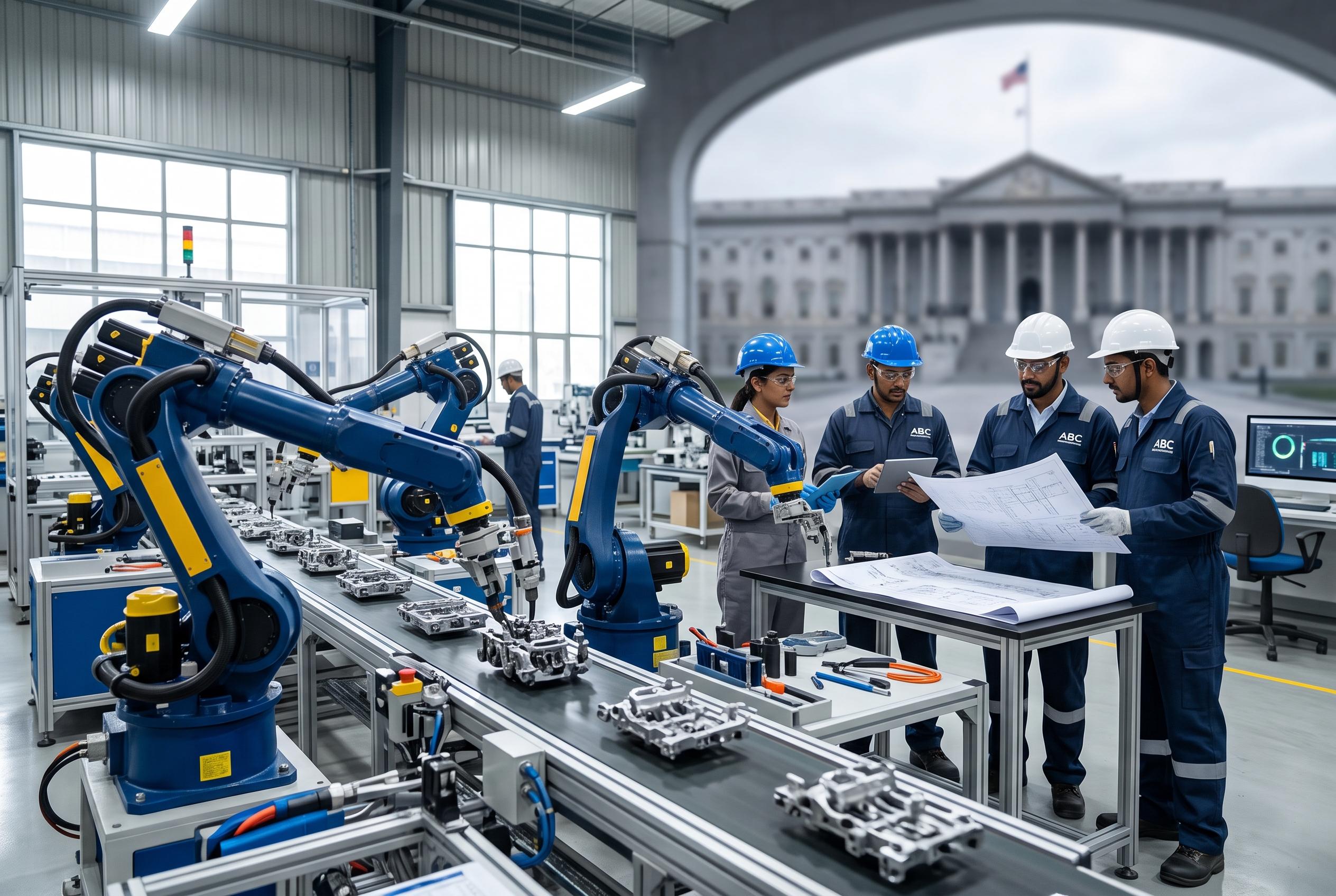

India’s engineering sector faces potential new tariffs under a US sanctions bill targeting Russian energy imports, raising concerns over trade stability with its largest market.
India’s engineering exporters are weighing the risk of a new US sanctions bill that could allow Washington to impose tariffs of up to 100% on countries deemed to be among the biggest buyers of Russian energy. EEPC India said the measure, if it becomes law, could hit shipments to the United States, still the sector’s largest overseas market.
The concern centres on the Lindsey O. Graham Sanctioning Russia and Iran Act of 2026, which has cleared the US Senate and now awaits action in the House of Representatives. According to Axios and other reports, the bill would give President Donald Trump, and future presidents, broad authority to target major importers of Russian oil and gas with punitive tariffs, with decisions based on recent trade data and reviewed every 180 days.
Pankaj Chadha, chairman of EEPC India, said the proposed law could hurt the competitiveness of Indian goods, though he stressed it is still too early to assess the final impact because the legislation has not completed the process. That caution is understandable: while India remains a major buyer of Russian energy, its engineering exports to the US still rose to $19.60 billion in FY26, up 2.3% year on year, despite earlier tariffs imposed by the Trump administration.
The Senate vote reflects a broader push in Washington to tighten economic pressure on Moscow and curb revenues from its war in Ukraine. Jeanne Shaheen, the top Democrat on the Senate Foreign Relations Committee, said on the Senate floor that the bill is designed to target Russian political leaders, financial institutions and the so-called shadow fleet, while also giving the White House additional tools against countries that continue to support Russia’s war economy through energy purchases or sanctions evasion. For Indian exporters, the key question is whether that pressure translates into a fresh trade barrier for a market that has become vital to their growth.
Disclaimer: This article is intended to inform and educate, not to recommend or endorse any financial product, investment or strategy. Please consider your own financial circumstances and seek professional advice where appropriate before making financial decisions.