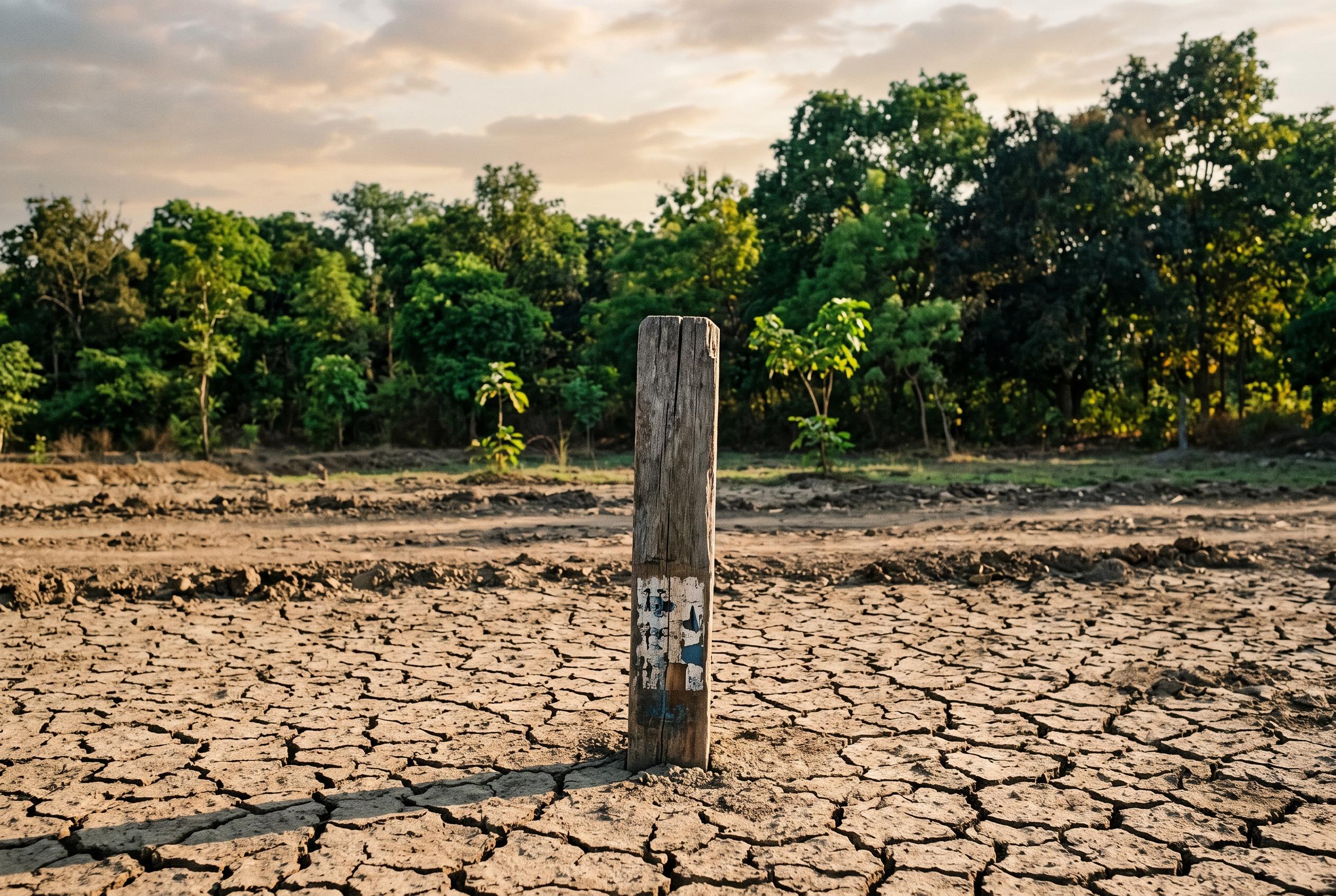

A government audit reveals that India’s flagship Green India Mission has achieved less than 3% of its forest cover targets over the past decade, highlighting administrative failures and risking future climate commitments.
India’s Green India Mission, once presented as a central plank of the country’s climate strategy, has delivered only a fraction of what it promised. A performance audit by the Comptroller and Auditor General, reported by multiple Indian outlets, found that the programme added just 0.03409 million hectares of forest cover between 2015-16 and 2024-25 against a target of 1.4 million hectares, leaving it almost 98% short of goal. The same audit said forest-quality improvement reached only 0.11384 million hectares, also far below expectations.
The findings point to more than a simple failure of execution. According to reports on the audit, the mission suffered from weak financial planning, delayed approvals, poor coordination with other schemes and inadequate oversight. Financial support also appears to have fallen well short of what was envisaged, while several states failed to provide the public web links needed for transparency. In sampled sites, the auditor found little or no ecological change that could be linked to the mission’s work.
That matters because the Green India Mission was designed to do more than plant trees. It was meant to improve forest quality, strengthen ecosystem services and support livelihoods in and around forest areas. Yet the audit suggests the scheme was reduced to a patchy plantation exercise, with limited evidence of lasting restoration. The fact that only two states carried out carbon sequestration assessments during the period reviewed underlines how thin the monitoring framework remained.
The lesson is not just administrative but political. If a flagship climate programme can drift for a decade with so little impact, the government’s wider green agenda will struggle to command confidence. As the auditor general’s recommendations indicate, India needs bottom-up planning, tighter coordination between departments, regular scrutiny and timely release of funds. Without those basics, the mission risks becoming another case of climate ambition outrunning delivery.
Disclaimer: This article is intended to inform and educate, not to recommend or endorse any financial product, investment or strategy. Please consider your own financial circumstances and seek professional advice where appropriate before making financial decisions.