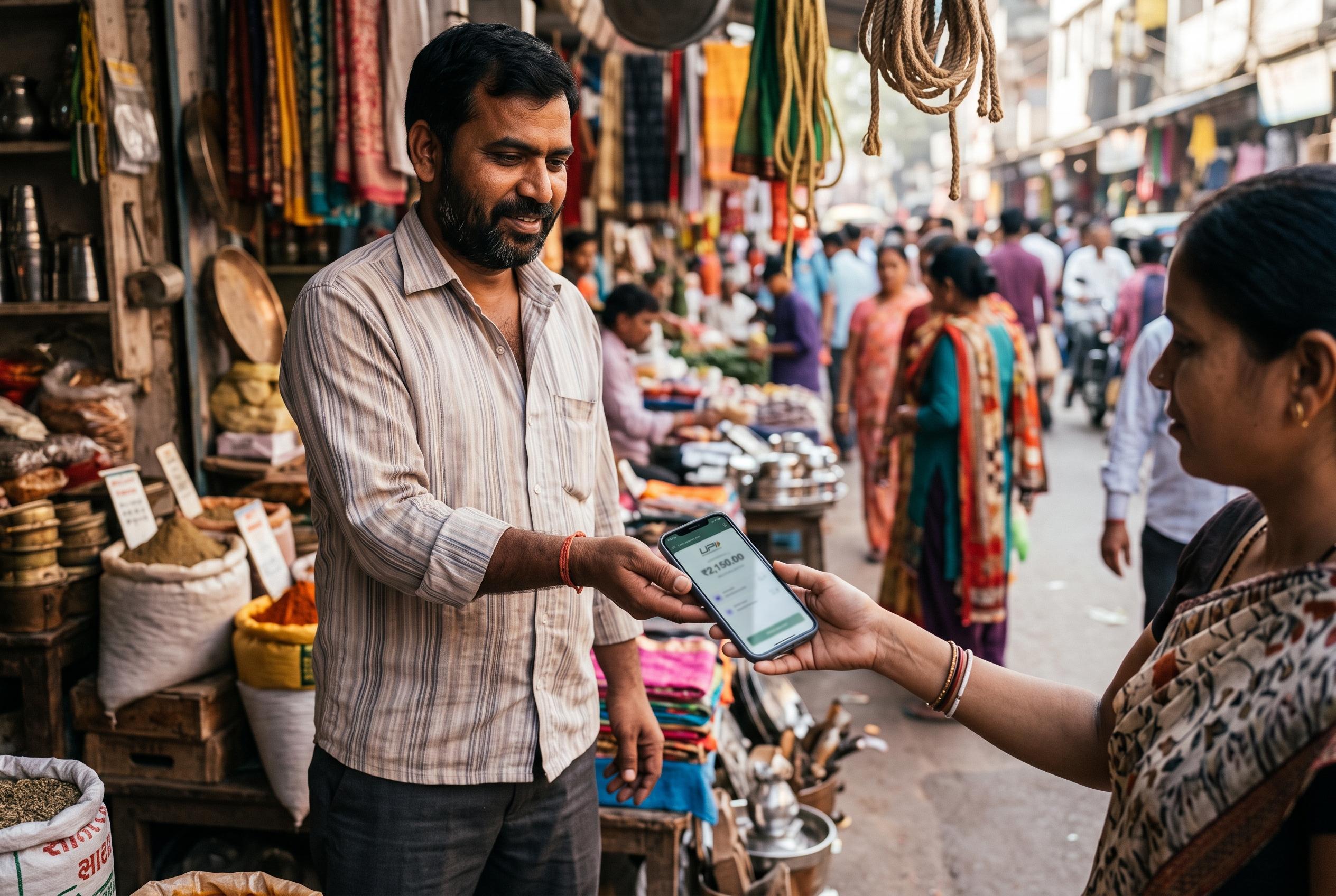

India’s plan to apply a 0.4% merchant fee on UPI transactions above ₹2,000 has sparked concerns over merchants passing costs to consumers, prompting calls for vigilance and regulatory enforcement to protect digital payment trust.
India’s move to introduce a merchant fee on some higher-value UPI payments has prompted a warning that shopkeepers cannot pass the cost on to customers. According to the framework announced by the National Payments Corporation of India, a 0.4% merchant discount rate will apply from 15 October 2026 to person-to-merchant UPI transactions above ₹2,000, while small merchants with monthly turnover below ₹1 lakh remain exempt.
Officials have been clear that the charge is aimed at merchants, not consumers. Person-to-person transfers will stay free, and the government has ruled out any rollback of the fee, saying the measure is intended to support the long-term sustainability of the UPI system. Reporting from The Economic Times and Livemint said the charge is capped at ₹300 for transactions of ₹75,000 or more.
That position matters because complaints have emerged that some retailers were trying to add a separate surcharge or “commission” when customers paid by UPI. Under the government’s rules, banks and payment aggregators are expected to ensure merchant agreements bar the passing on of merchant charges to buyers. Any attempt to add an extra amount to a customer’s bill would be treated as an illegal charge.
The consumer guidance is straightforward. Customers are being told to refuse any added fee, ask for a written bill showing the charge, and report the merchant through the payment app, NPCI’s dispute redressal system or the National Consumer Helpline. Authorities have also indicated that repeat offenders could have their merchant accounts or QR codes blocked, while banks that fail to act may face penalties.
The broader message from the government is that UPI remains free for ordinary users. Daily essentials such as groceries, milk, fruit and tea purchases below the threshold are still covered by zero merchant discount rate, and the state is seeking to preserve trust in digital payments while preventing merchants from quietly shifting costs on to consumers.
Disclaimer: This article is intended to inform and educate, not to recommend or endorse any financial product, investment or strategy. Please consider your own financial circumstances and seek professional advice where appropriate before making financial decisions.