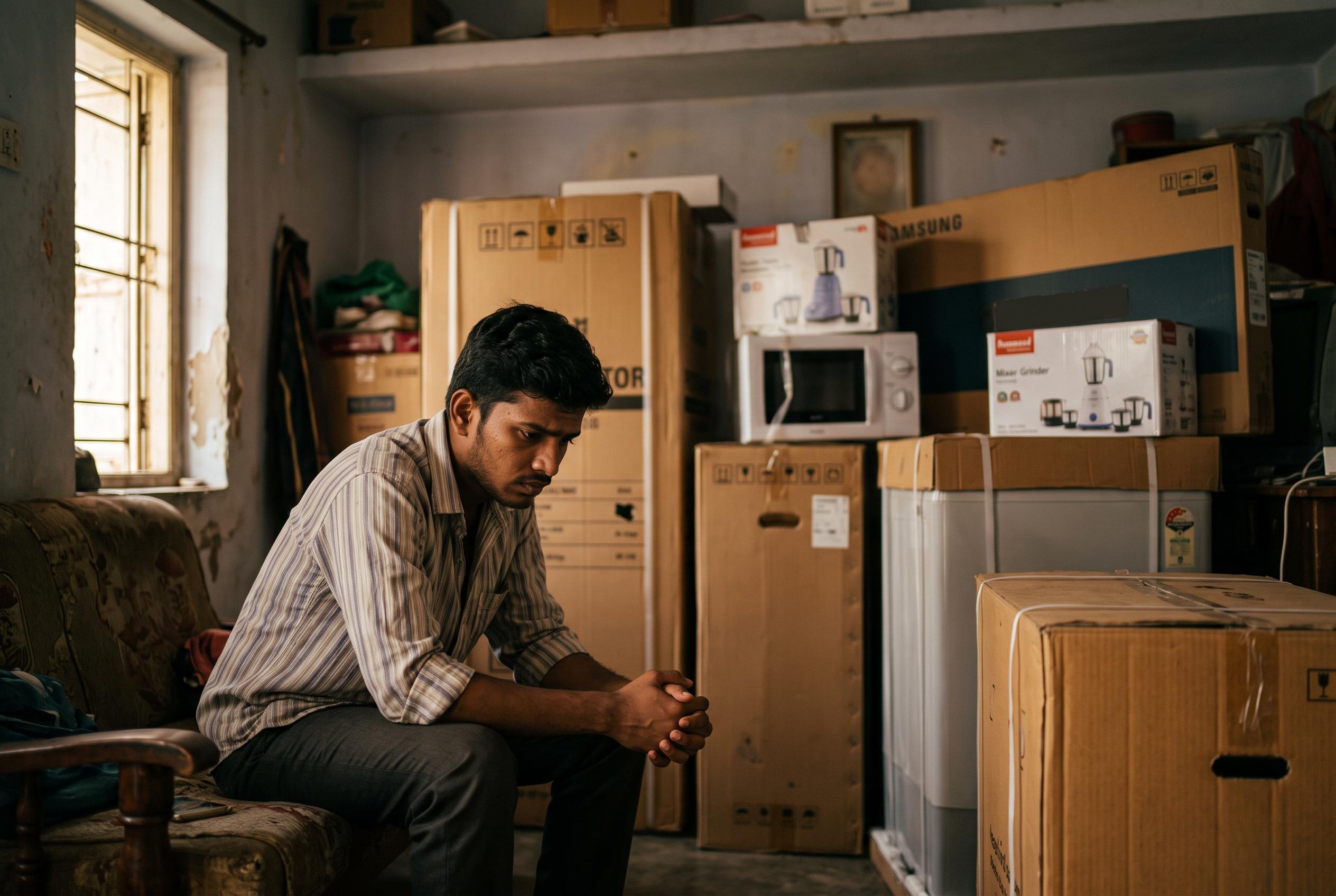

Consumer durable loans are becoming the primary entry point into formal credit for many first-time borrowers in India, but a closer look exposes hidden costs and the potential for overleveraging amid their growing popularity.
Consumer durable loans have become the easiest entry point into formal borrowing for many first-time customers in India, but their apparent simplicity can conceal a higher true cost. CRIF High Mark’s September 2026 edition of “How India Lends” says these loans made up 45.5% of loan originations by volume among new-to-credit borrowers in the first quarter of FY27, underlining how quickly they have become a stepping stone into the credit system.
Their appeal is clear: small ticket sizes, limited paperwork and point-of-sale approval can give a borrower instant access to credit after choosing a product. Harsh Grover, co-founder of LoansJagat, told Business Standard that lenders can often sanction such loans using basic KYC details because the sums involved are modest and repayment history is not yet available. For borrowers with no credit record, timely repayment can help build one. But the same convenience can also tempt households into taking on obligations they do not fully understand.
A major risk is the so-called zero-cost EMI, which is rarely as cost-free as it sounds. Santosh Agarwal, chief executive of Paisabazaar, told Business Standard that the interest is often absorbed by the manufacturer, merchant or platform at the time of purchase, while Grover said some offers recoup the cost through fees or by trimming discounts. Reporting by Moneycontrol has similarly noted that processing charges, GST and the loss of cash discounts can leave borrowers paying more than they expected, even when the headline interest rate is zero.
Borrowers are better off looking beyond the advertised EMI and checking the annual percentage rate, total amount payable, processing fees, convenience charges, taxes and any prepayment penalty, said Agarwal. Abhishek Kumar, a Sebi-registered investment adviser and founder of SahajMoney.com, told Business Standard that the loan agreement should also be reviewed for lock-in periods, late-payment charges, bounce fees and the details of any auto-debit mandate. He advised verifying that the lender is registered with the Reserve Bank of India and limiting digital consent to only the data needed for underwriting.
The broader lesson is that these loans should be used sparingly and only when they fit within a borrower’s repayment capacity. Grover told Business Standard that total EMIs should stay below 40% of monthly take-home income and that new-to-credit borrowers should treat that level as a ceiling, not a target. He also said missed debits should be repaired quickly, ideally within 24 to 48 hours, to reduce the risk of extra charges and damage to the borrower’s credit record.
Disclaimer: This article is intended to inform and educate, not to recommend or endorse any financial product, investment or strategy. Please consider your own financial circumstances and seek professional advice where appropriate before making financial decisions.