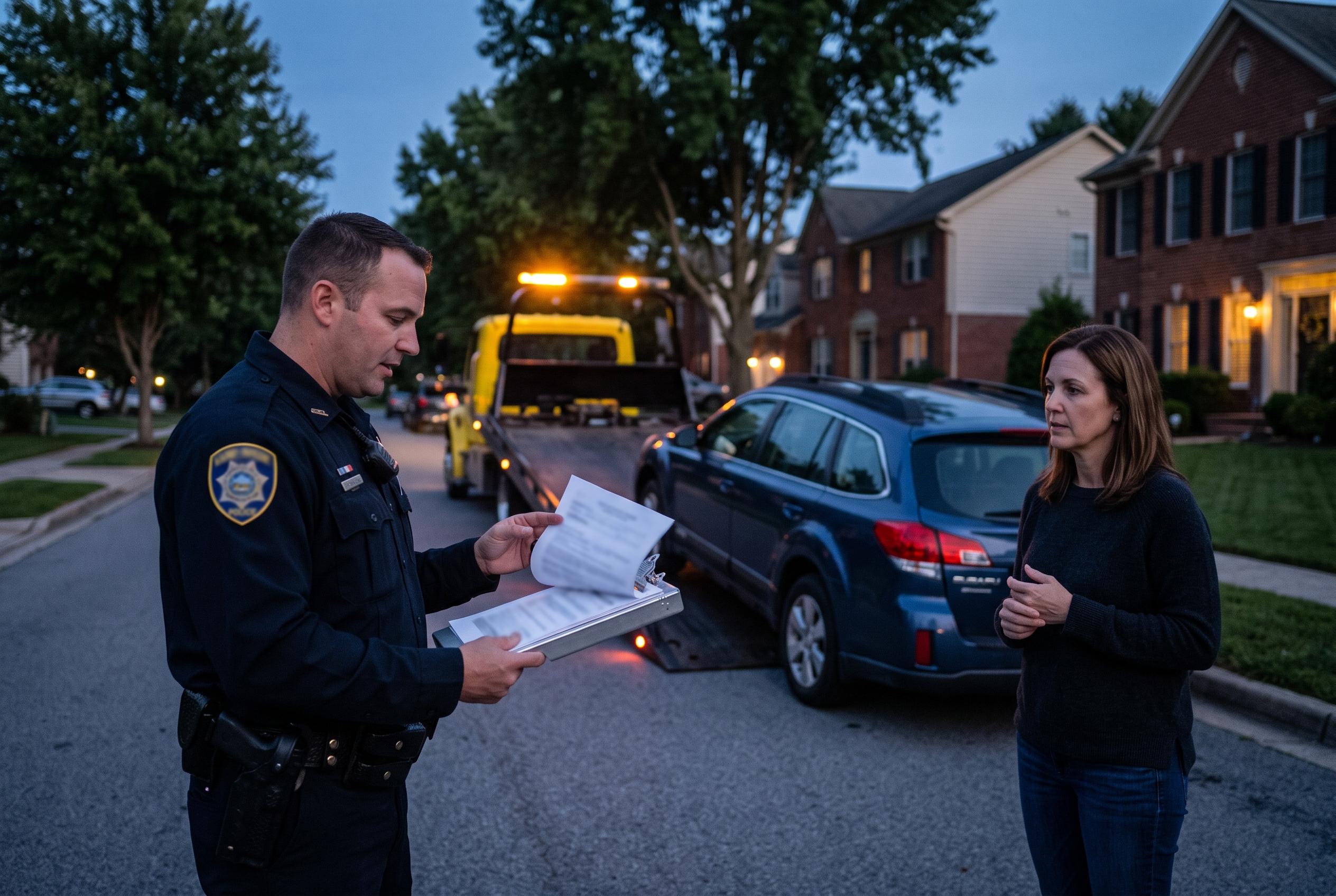

The Supreme Court has ruled that banks and non-bank lenders can only repossess financed vehicles through lawful means, explicitly prohibiting force, stealth, or intimidation, signalling a crackdown on unlawful recovery practices.
The Supreme Court has said banks and non-bank lenders may repossess financed vehicles after a default, but only through lawful procedures and never by force, stealth or intimidation. The ruling adds pressure on the Reserve Bank of India to ensure its recovery rules are followed in practice, not just written into manuals, according to reports in The Indian Express, LiveLaw and other Indian legal outlets.
The case involved Cholamandalam Investment and Finance Company and a commercial truck owned by Hari Dutta Sharma. According to the reports, the vehicle was financed under a loan arrangement that later went into default. The owner alleged that men took the truck away in the early hours of the morning, after breaking the steering lock, and that he was not given proper notice before the seizure. He also said he filed a lost article report and an e-FIR the same day.
The court ordered Cholamandalam to return the amount it had recovered from the sale of the truck, with 6% annual interest, and to pay compensation of ₹10 lakh, while also awarding litigation costs. Indian Express reported that the bench made clear that repossession clauses in lending contracts do not give financiers a licence to take property in any manner they choose.
The judgment also took aim at what one report described as “seizure by stealth”. The court said repossession terms can exist in loan agreements, but those provisions must still operate within the bounds of notice, fairness and due process. It questioned contractual language that appeared to give the company wide discretion to seize and sell the vehicle without meaningful safeguards.
The ruling is likely to be read as a warning to lenders and recovery agents alike. RBI guidelines already restrict harassment, threats and arbitrary conduct during loan recovery, but the court said the regulator must do more to ensure compliance. For borrowers, the practical lesson is that default does not erase a lender’s right to recover money, but it does not allow self-help repossession to become a law unto itself.
Disclaimer: This article is intended to inform and educate, not to recommend or endorse any financial product, investment or strategy. Please consider your own financial circumstances and seek professional advice where appropriate before making financial decisions.