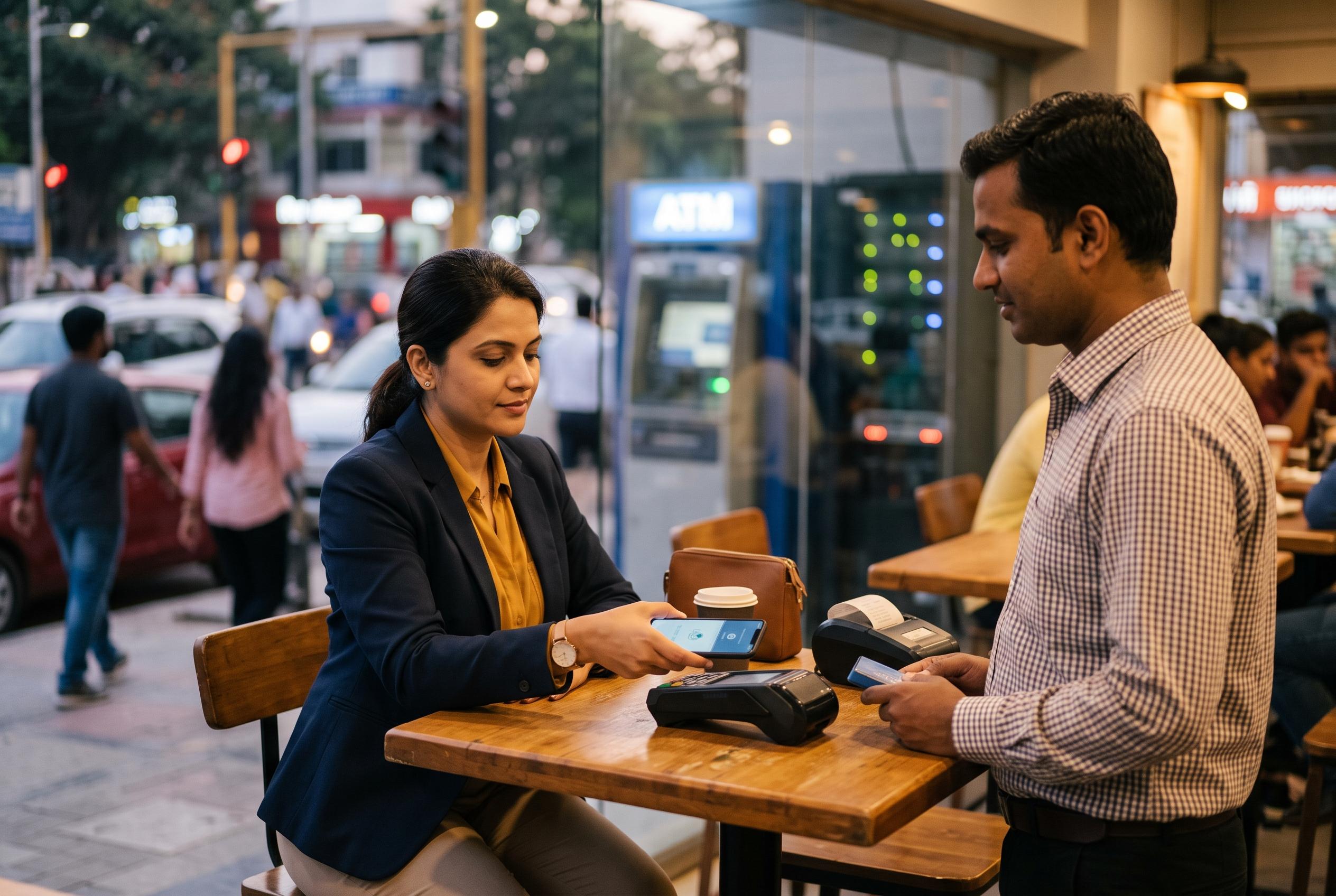

A prominent industry figure advocates for maintaining free UPI transactions for at least five more years to uphold India’s global edge in digital finance, amid ongoing discussions on introducing merchant discount rates.
A. Velumani has urged India to keep Unified Payments Interface, or UPI, free for at least the next five years, arguing that doing so would help preserve the country’s lead in digital payments. Speaking in comments reported by Business Today, the Thyrocare founder said that keeping UPI free “without any ‘ifs and buts’ for next 5 years would keep India ahead in many ways”.
The appeal comes as debate intensifies over whether merchant discount rate, or MDR, should be introduced more widely on UPI payments. Business Today reported that Ashneer Grover has criticised any move to impose MDR on UPI transactions, arguing that the National Payments Corporation of India, which runs the system, has enough cash and profit to sustain it without charging users. Capitalmind CEO Deepak Shenoy has also backed free UPI, saying banks already benefit from the balances customers hold in savings accounts and the income generated from that float.
The government, meanwhile, has repeatedly tried to calm fears that UPI will start costing ordinary users. The Finance Ministry has said person-to-person transfers will remain free and that 96% of merchant transactions are also unaffected, with MDR applying only to specified merchant payments above ₹2,000. Finance Minister Nirmala Sitharaman has likewise said in the Rajya Sabha that UPI will stay free for consumers, reinforcing the zero-charge model that has been in place since the system launched in 2016.
The economics of the platform remain the subject of a broader policy fight. According to reporting by Business Standard, running the digital payments rail carries real costs for banks, payment firms and NPCI, from processing and settlement to fraud prevention and customer support. That helps explain why the government has continued to fund subsidies for parts of the system while allowing a limited MDR structure for some larger merchant transactions. For advocates such as Velumani, though, the strategic case is clear: keeping UPI frictionless, he argues, is central to India’s standing in digital finance.
Disclaimer: This article is intended to inform and educate, not to recommend or endorse any financial product, investment or strategy. Please consider your own financial circumstances and seek professional advice where appropriate before making financial decisions.