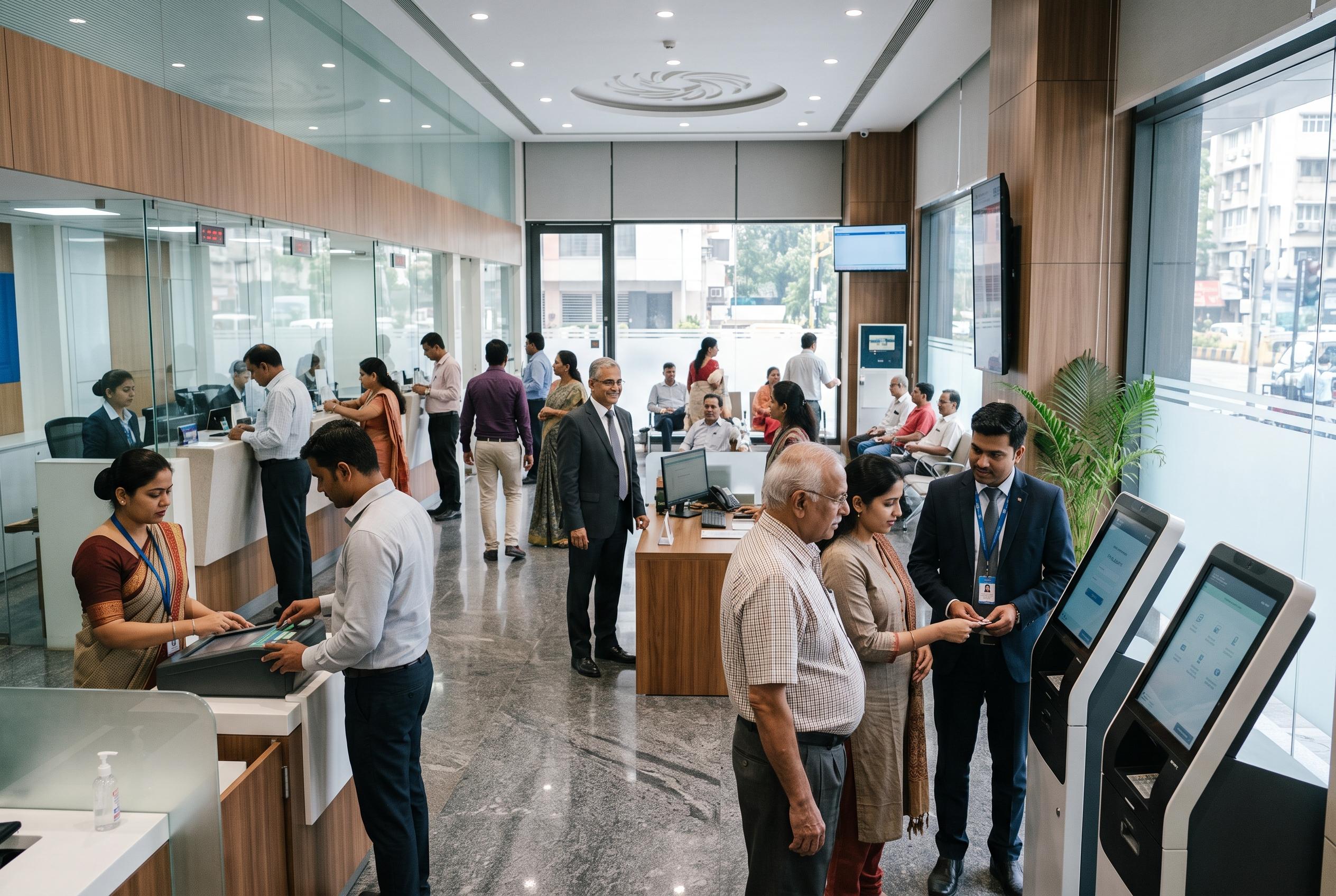

The Reserve Bank of India calls on commercial lenders to enhance electronic platforms and streamline retail foreign exchange services, highlighting the need for tighter oversight as cross-border transactions surge and technological innovations reshape customer expectations.
India’s central bank is pressing commercial lenders to improve retail foreign exchange services as cross-border travel, overseas study, remittances and business payments continue to rise. In remarks reported by several publications, Reserve Bank of India Deputy Governor Rohit Jain said banks need to close the gap between regulatory intent and the experience of ordinary customers, particularly on pricing, documentation and turnaround times.
The message goes beyond convenience. Reuters-style reporting from related summaries suggests Jain has framed the issue as part of a broader push for stronger oversight in a more globally connected financial system, saying banks should not fear integration with global liquidity but should manage it better. That argument comes against the backdrop of the RBI’s recent scrutiny of trading behaviour in offshore markets, which has reinforced the central bank’s focus on risk controls as markets become more interconnected.
The RBI’s review of retail foreign exchange services found uneven practices across banks, including differences in charges, timelines and document requirements for customer transactions and outward remittances, according to the related reports. That has prompted calls for clearer policies and more consistent service standards, especially as retail forex customers increasingly expect fast, transparent and digitally accessible solutions rather than branch-based processing.
Technology is central to that shift. The reports say the RBI wants banks to expand electronic platforms, improve access to real-time exchange-rate information and streamline applications, while keeping anti-money laundering, know-your-customer and cyber-security controls in place. Artificial intelligence and data analytics can help detect fraud and monitor transactions, but only if they are properly governed and validated.
For banks, the opportunity is commercial as well as operational. Better retail forex service could help them deepen customer relationships, compete more effectively with fintech payment firms and build fee income. But the RBI’s message is that service expansion must be matched by tighter supervision, since foreign exchange operations carry currency, operational and compliance risks that can quickly turn customer frustration into regulatory trouble.
Disclaimer: This article is intended to inform and educate, not to recommend or endorse any financial product, investment or strategy. Please consider your own financial circumstances and seek professional advice where appropriate before making financial decisions.